Biohazard Cleanup
Blood, sewage, sharps and other biohazards removed and disinfected by cleanup crews in protective gear.
Learn more →Pennsylvania · Centre County
Has a crime, an accident or an unattended death left a mess in State College? Police and paramedics do not clean up afterward, so you need cleaners to remove blood, bodily fluids and contaminated materials. Call (877) 812-4220.
If anyone is in danger, call 911 first. For a suicide crisis, call or text 988.
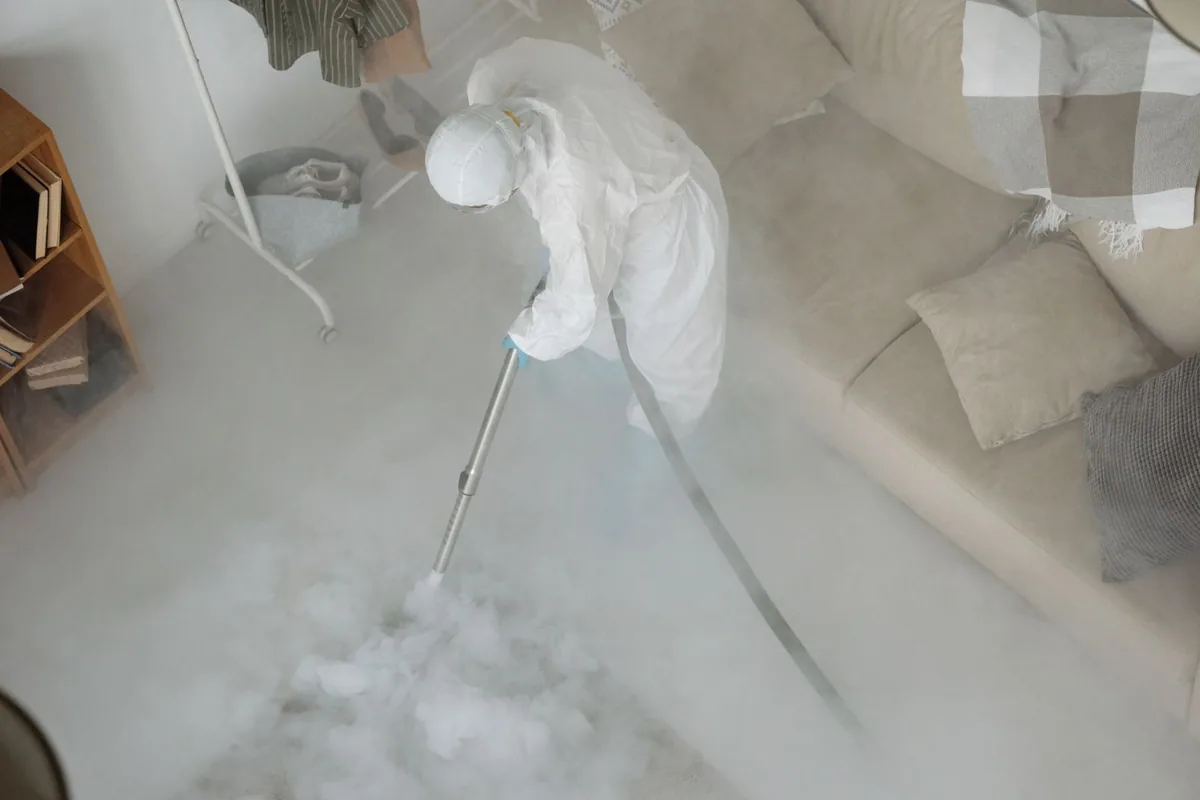
A biohazard cleaner deals with what regular cleaners will not touch: blood, decomposition, human waste and infectious materials. State College homeowners, tenants, landlords and business owners can get discreet biohazard cleanup services by calling State College Biohazard Cleanup Help.
The goal is simple: nothing harmful left behind. Technicians work in protective gear, treat the whole affected area, remove contaminated materials and keep cleaning until the space is livable again. This work is available in State College, across Centre County and in towns like Lemont.
The vacancy rate in State College is 15%, above the Pennsylvania average. Empty houses can sit unchecked, so sewage, animal waste, rodents and damage can build up unseen. Older adults make up about 7% of residents in State College, below the Pennsylvania average, so calls come from a broad mix of situations, including accidents, crime scenes and rental turnovers.
Decontamination starts with protecting people. Crews suit up in PPE, set up barriers so contaminants cannot drift into clean rooms, and work to OSHA bloodborne pathogen protocols (29 CFR 1910.1030) from the first step to the last.
Products matter because a mild cleaner will not kill bloodborne germs. Biohazard cleaners use EPA-registered, hospital-grade disinfectants, follow the label for contact time and pair them with air treatment for lingering odor.
These are the biohazard cleanup services you can get in State College and nearby parts of Centre County. Not sure which one applies? Call (877) 812-4220 and describe what happened.
Blood, sewage, sharps and other biohazards removed and disinfected by cleanup crews in protective gear.
Learn more →Discreet forensic cleaning for homes, rentals, businesses and vehicles, with odor removal and waste disposal.
Learn more →Trauma and crime scene cleanup for homes, workplaces and vehicles, handled privately with protective gear.
Learn more →After death cleaning for families, landlords and estates, handled quietly and with care.
Learn more →Gentle, discreet cleaning and disinfection of a home or rental after a death by suicide.
Learn more →Respectful homicide cleaning that removes blood, bodily fluids and odor after investigators release the scene.
Learn more →Blood in cars, vans and rideshare vehicles cleaned from seats, mats and panels, then disinfected.
Learn more →Human feces cleanup and removal in homes, rentals and workplaces, with odor treatment included.
Learn more →Commercial feces cleanup and urine odor control for restrooms, shops, schools and care sites.
Learn more →Removes soaked materials, disinfects and neutralizes odor in homes, rentals and vehicles.
Learn more →Hoarder house cleaning with the heavy lifting, disposal and sanitizing taken care of.
Learn more →Trash, donation and recycling hauled out of crowded homes, followed by a thorough clean.
Learn more →Animal hoarding cleanup with protective gear, soaked flooring removal and thorough sanitizing.
Learn more →Extreme cleaning for unsanitary homes, done with protective gear and without judgment.
Learn more →Raw sewage removal, tear-out of soaked materials and full disinfection after a backup or overflow.
Learn more →Biohazard decontamination after outbreaks, with protective gear, set order of work and sealed disposal of waste.
Learn more →Surfaces cleaned, disinfected and checked so a contaminated room or vehicle is safe to use again.
Learn more →Medical waste removal: sharps, soaked dressings and clinical waste packed, sealed and hauled away.
Learn more →Found a needle? A cleanup team searches the area, removes every sharp and disinfects what it touched.
Learn more →Discreet drug residue cleanup for rentals, homes, hotels and businesses, with protective gear throughout.
Learn more →Clear steps for owners who suspect meth contamination, from first sample to final report.
Learn more →Decontamination for rentals, motels, offices and vehicles after drug incidents and responder visits.
Learn more →Toxic waste cleanup that identifies the substance, cleans affected surfaces and follows disposal rules.
Learn more →Cleanup that begins once responders clear the scene, with records for insurers, owners and inspectors.
Learn more →Irritant residue removed from walls, floors, fabrics and vents after tear gas or pepper spray is released.
Learn more →Safe wet-clean removal of mouse and rat droppings, nests and soiled insulation from attics and crawl spaces.
Learn more →Histoplasmosis-aware cleanup with respirators, HEPA filtration and sealed disposal of guano.
Learn more →Dead animal removal from walls, attics, crawl spaces and vents, with disinfection and odor treatment.
Learn more →Biohazard car cleaning for blood, vomit and body fluids, with disinfection and safe waste disposal.
Learn more →Injury scene cleaners remove soaked materials, treat odor and prepare records for employers and insurers.
Learn more →Biohazard cleaning for commercial and industrial sites, from restrooms and break rooms to warehouse floors.
Learn more →Estate cleanup that empties, cleans and hands back a home ready for its next step.
Learn more →The cleanup team measures how far fluids, waste or residue spread and decides which materials can be saved. This sets the timeline and the cost range.
Doors are closed off, air handling is controlled and the work zone is marked. Family members, pets and neighbors stay clear.
Soaked materials are removed, then floors, walls, furniture and fixtures are cleaned and treated with hospital-grade disinfectant.
When the job is done, the family receives the paperwork they need for claims and a clear description of what was removed and treated.
Death odor and sewage smell are treated with air scrubbers and hydroxyl or ozone equipment, not masked with sprays that fade.
Photos, documents, jewelry and keepsakes are set aside for the family whenever they can be safely saved.
At crime and death scenes, work waits for law enforcement or the investigator to release the property. Nothing is disturbed before that.
Hoarded homes, neglected rentals and difficult situations are treated with dignity. The only goal is a safe, clean space again.
Biohazard cleanup in State College, PA typically costs $500 to $25,000, depending on the type of biohazard, the size of the affected area and how far fluids soaked into porous materials.
Most residential jobs cost $3,000 to $5,000 (Fixr). Ask what is included before agreeing to anything: removal, disinfection, odor control, waste disposal and paperwork. A clear scope helps the family, the landlord and the insurance company agree on the cost.
| Type of job | Typical range |
|---|---|
| Blood spill cleanup, small area | $500 - $2,500 |
| Crime scene cleanup, most homes | $1,500 - $7,500 |
| Unattended death cleanup | $2,000 - $7,000 |
| Suicide cleanup | $1,500 - $5,500 |
| Sewage cleanup, most homes | $2,000 - $10,000 |
| Hoarding cleanup, level 3 home | $2,000 - $5,000 |
| Meth lab cleanup, typical | $15,000 - $20,000 |
Estimates only, not a quote. Sources: Fixr, Yelp Costs, BioCleaners Directory, PushLeads, Dropcurb, Bob Vila and cleanup company cost guides. Call (877) 812-4220 to talk through the job.
Cars, trucks and work vehicles can carry biohazards after an accident, assault or medical event. Vehicle cleanup removes contaminated upholstery and disinfects every surface and vent.
Falls, power tool injuries, farm and industrial accidents and car crashes can leave blood and tissue behind. Accident scene cleanup removes the trace so the space can be used again.
Attics, barns and sheds can hold droppings, guano and carcasses that carry disease. Careful removal and disinfection protect the people who go back in.
Centre County has a Relatively Moderate river flood risk rating from FEMA. Floodwater mixes with sewage, and anything it touches needs full biohazard cleaning, not just drying.
Hoarder homes can hide rotting food, animal waste, mold and pests, along with fire and structural hazards. Hoarding cleanup sorts belongings and restores a livable condition.
About 32% is the census figure for older adults living alone in State College. When a person dies alone, days may pass before anyone knows, and unattended death cleanup follows.
Health risks vary by material. Blood and bodily fluids bring bloodborne pathogens, decomposition brings bacteria and odor, and waste and residue bring their own dangers. Job size then sets the scale of the response.
Yes, when the source is removed and treated. The crew takes out the contaminated materials, disinfects the surfaces, and uses HEPA air scrubbers and hydroxyl or ozone equipment to clear the air, rather than masking the smell.
Ask whether the crew follows OSHA bloodborne pathogen rules, uses EPA-registered disinfectants, disposes of waste lawfully and can document the work for insurance. Compare how biohazard cleanup companies explain scope, cost range and privacy, and be cautious about anyone who pressures you to sign on the spot.
Yes. Hoarding cleanup sorts belongings room by room, sets aside valuables and papers, removes trash and waste, and disinfects the space. Crews work without judgment and keep the family's wishes in mind.
Call 911 if anyone is in danger. Keep everyone out of the affected area, do not clean anything, and wait for law enforcement to release the scene. Then call your insurance company and a biohazard cleaning company to plan the cleanup.
Funeral homes and the authorities remove the person. Biohazard cleaners, also called crime scene cleaners or trauma cleanup crews, clean the property afterwards, including fluids, affected materials and odor.
It varies by the germ. Hepatitis B can survive on surfaces for at least seven days, and other pathogens last for different periods. Because nobody can tell by looking, all blood is treated as infectious until it has been properly disinfected.
Tell the landlord and the renters insurer right away. With renters in about 74% of homes in State College, many rentals have a process for this. The building is usually the owner's job, and belongings may fall under the tenant's policy.
Yes. Vacant properties, at 15% of housing in State College, can collect animal waste, drug paraphernalia, sewage and storm damage. Owners should treat what they find as a hazard and call for cleanup instead of clearing it themselves.
Living close to State College but not in it? You can get the same 24/7 biohazard cleaning services in Lemont, Toftrees and Bellefonte. Call State College Biohazard Cleanup Help at (877) 812-4220.
Describe what happened, and the cleanup team will explain the next steps.
Call (877) 812-4220